
Artist
THE ESTATE OF ERNIE BARNES

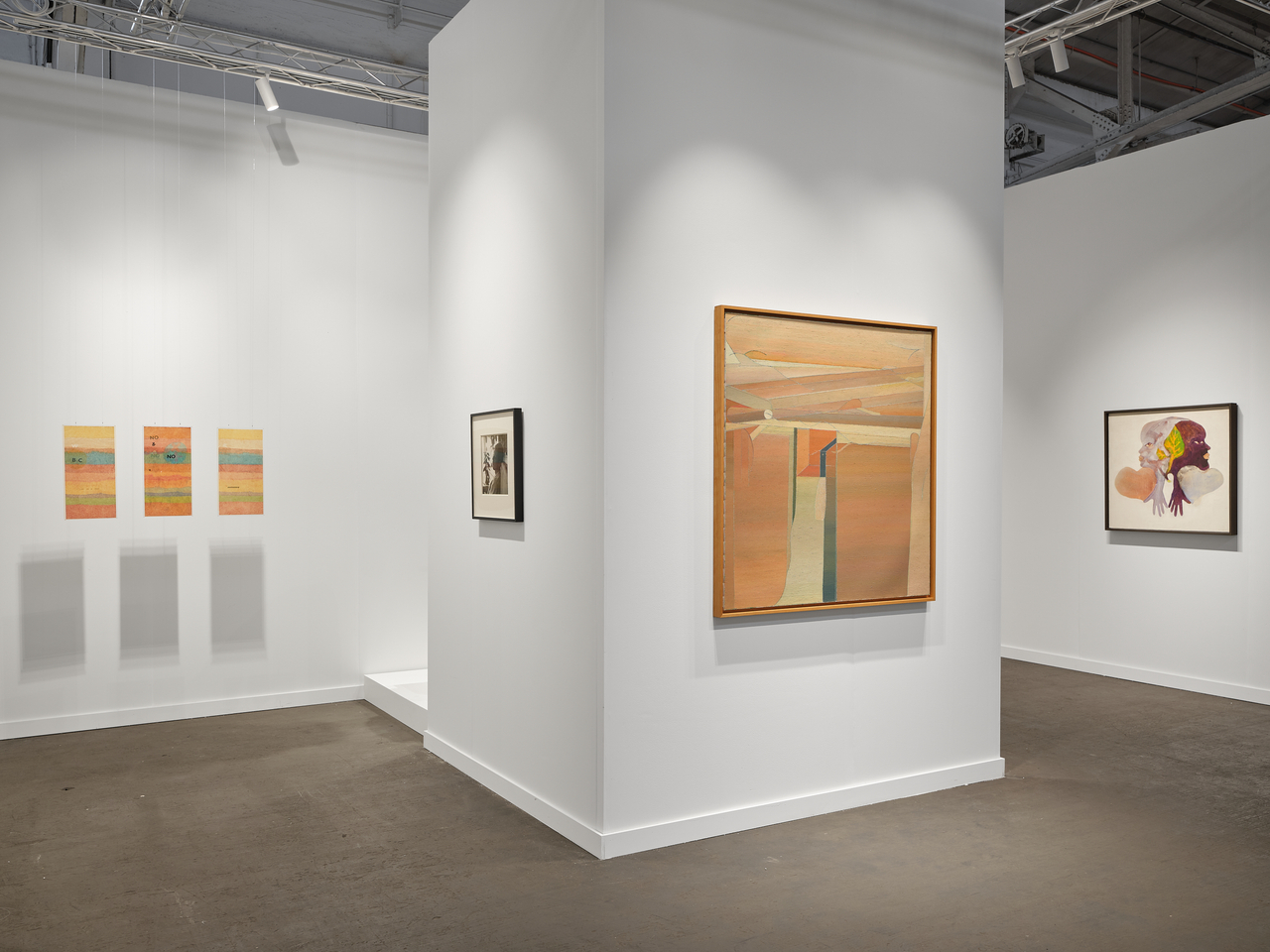
Ortuzar at FOG Design+Art 2026. Photo: Chris Grunder.
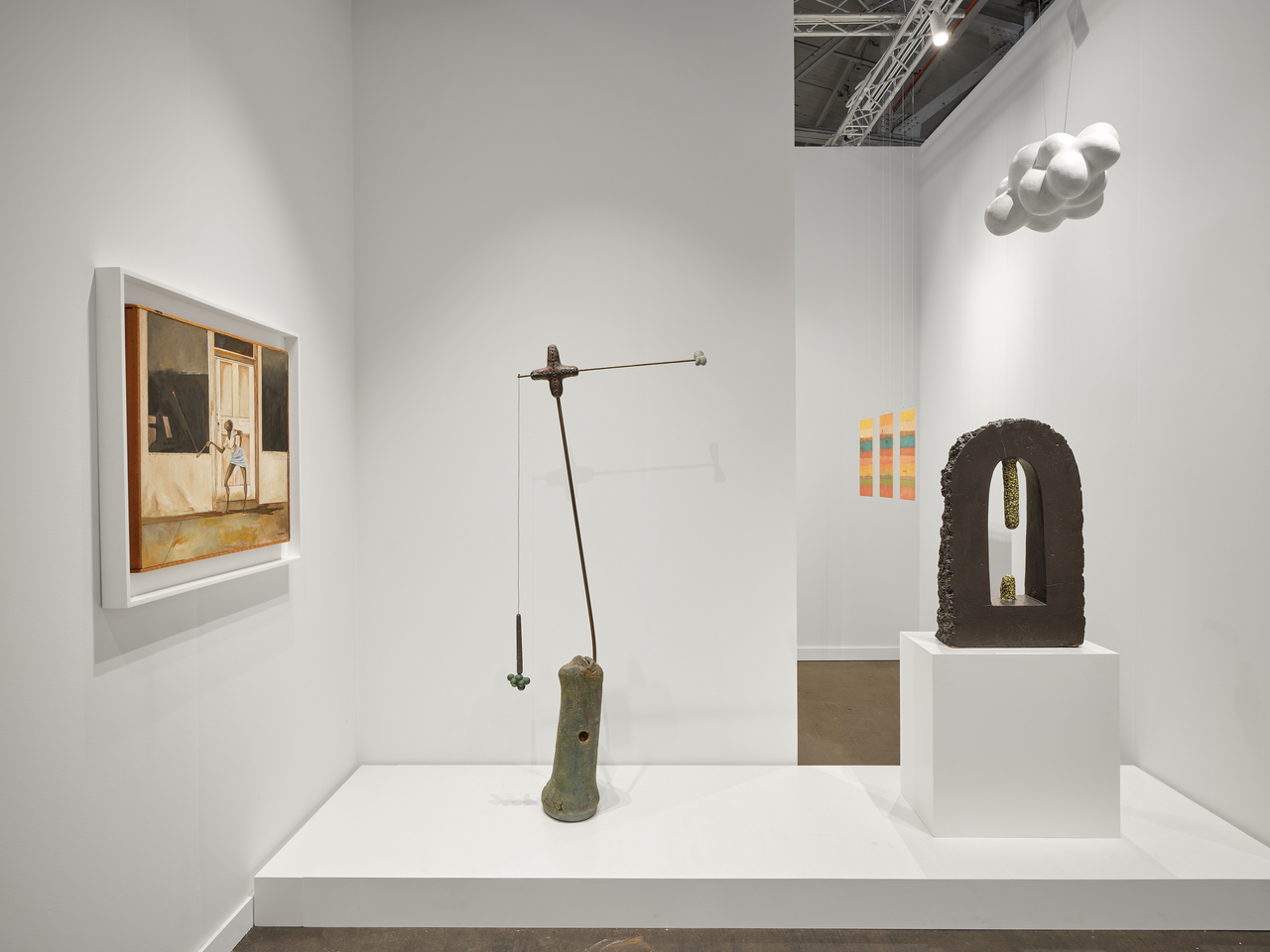
Ortuzar at FOG Design+Art 2026. Photo: Chris Grunder.
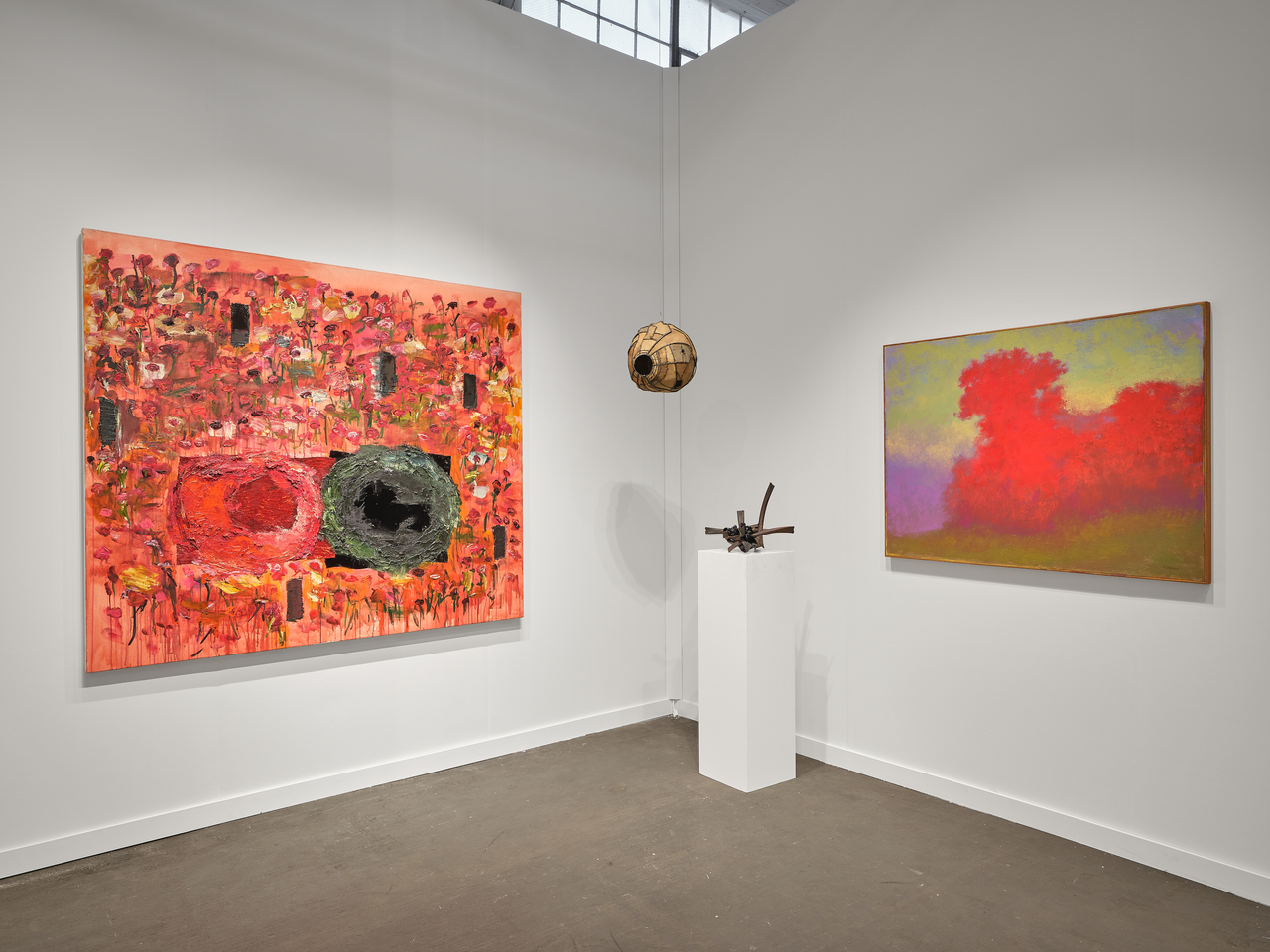
Ortuzar at FOG Design+Art 2026. Photo: Chris Grunder.
Ortuzar at FOG Design+Art 2026. Photo: Chris Grunder.
Ortuzar at FOG Design+Art 2026. Photo: Chris Grunder.
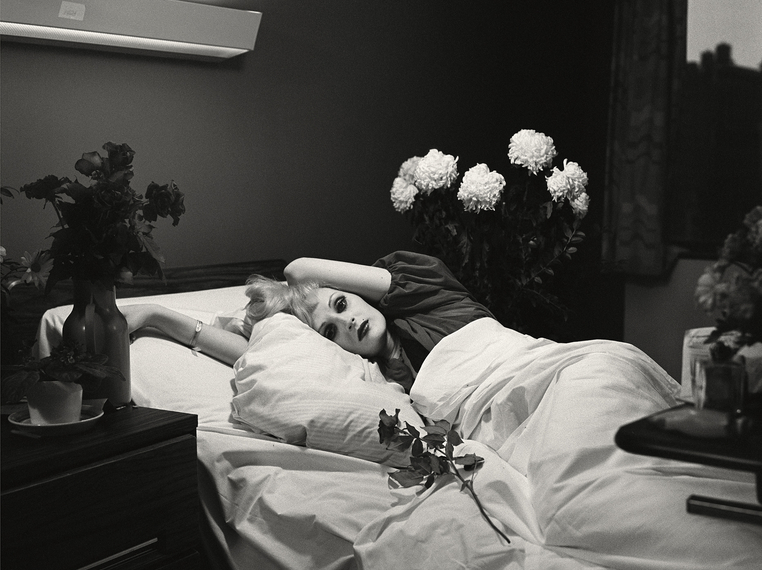
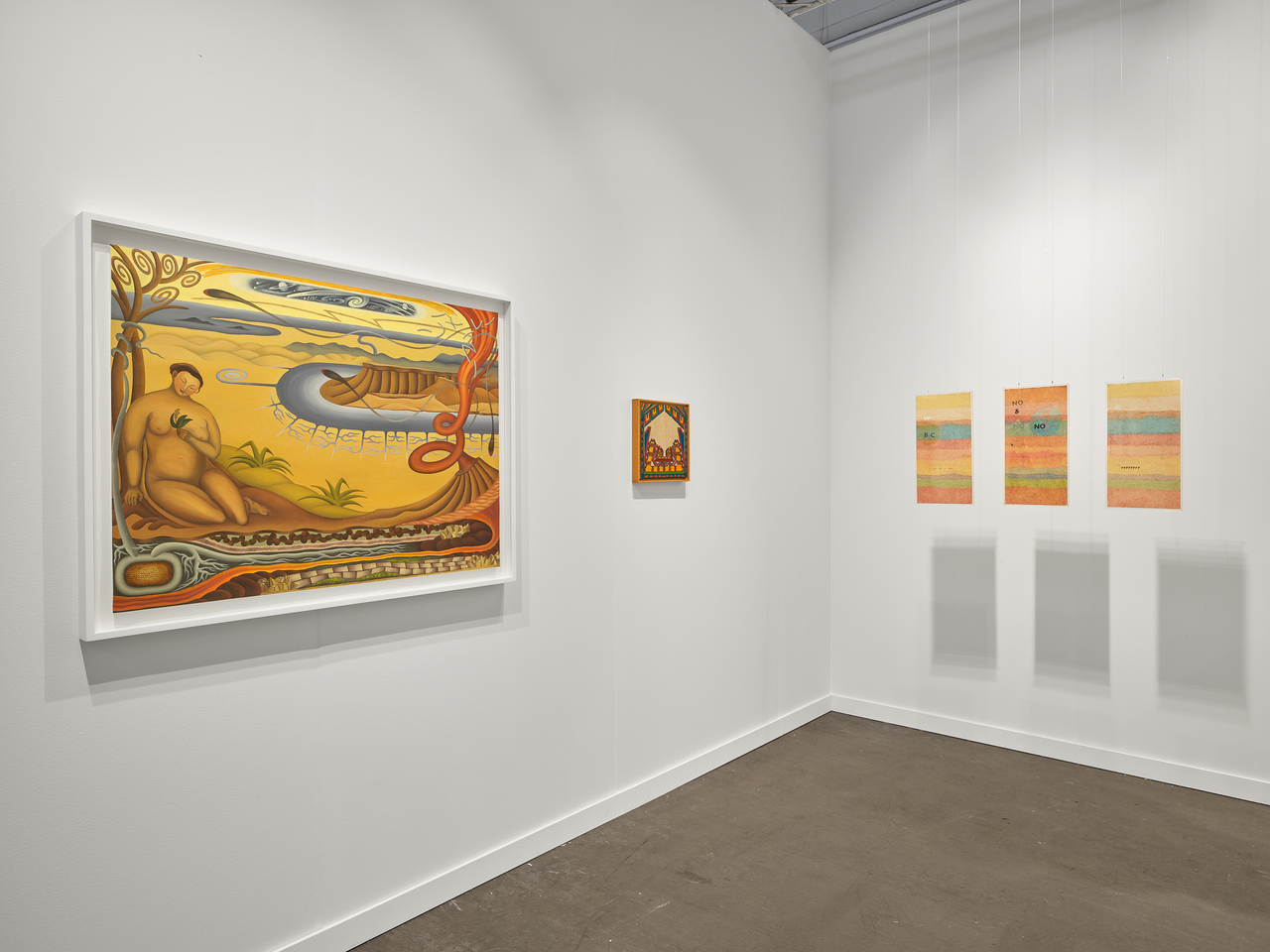
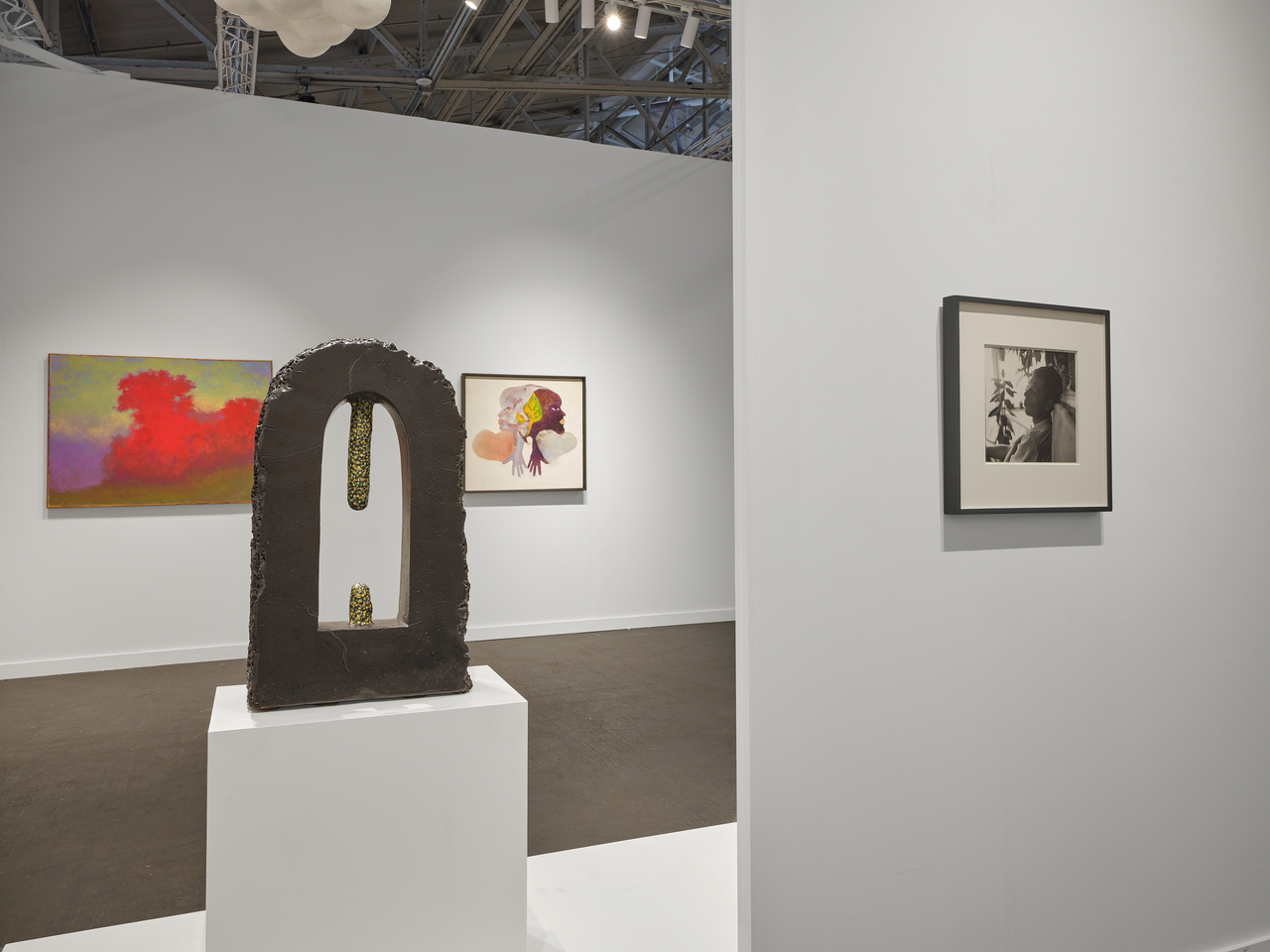
For the 2026 edition of FOG Design+Art, Ortuzar is pleased to present a focused selection of historic and contemporary works foregrounding dialogue across generations, geographies, and material practices. On view at Booth 107, the presentation brings together key works by Ernie Barnes, Lee Bontecou, Brenda Draney, Claire Falkenstein, Mary Grigoriadis, Donna Huddleston, Peter Hujar, Miyoko Ito, Suzanne Jackson, Richard Mayhew, Mira Schendel, Sylvia Sleigh, Joan Snyder, Alma Woodsey Thomas, Takako Yamaguchi, and Megumi Yuasa.
Anchoring the presentation are key works by Suzanne Jackson and Takako Yamaguchi, both currently the subject of institutional exhibitions at SFMOMA. Jackson is represented by Double (1974), a major painting exemplifying her use of acrylic washes and gesso to produce a double, Janus-faced figure. Also on view is a group of intimately scaled paintings from the early 1980s made during her time in Idyllwild, California, when she turned toward close observations of nature. Their inclusion coincides with “Suzanne Jackson: What Is Love?,” the artist’s major retrospective at SFMOMA, which will travel to the Walker Art Center and the Museum of Fine Arts, Boston. Yamaguchi is represented by Small Innate Behavior (1990), a work on paper from the series in which she appropriated imagery from Diego Rivera’s murals to question aesthetic hierarchies and inherited narratives. The work is shown concurrently with “In Context: Takako Yamaguchi," at SFMOMA.
The presentation further brings together paintings by Richard Mayhew, Alma Woodsey Thomas, and Ernie Barnes through a shared commitment to color and movement as vehicles for rendering lived experience. Mayhew’s Solstice (2009), a rare example from his focused series of “mindscapes” that feature red trees, depicts rolling hills crowned by a grove of red foliage and reflects the artist’s command of hue and atmosphere. Nearby, Thomas’s Advent of Spring (1968) translates seasonal renewal into a rhythmic field of mosaic-like strokes, while Barnes’s Juba Dis an Juba Dat (1976) exemplifies his self-described “neo-mannerist” style through elongated form and animated gesture.
A central thematic axis is formed by works by Claire Falkenstein, Lee Bontecou, and Mira Schendel. Falkenstein is represented by copper and glass works from her Fusion and Point as a Set series, including Point as a Set (c. 1965), which exemplifies her engagement with open-ended structures conceived as capable of infinite growth. The presentation follows Ortuzar’s recently announced representation of the Claire Falkenstein Foundation and anticipates both the gallery’s debut solo exhibition of her work in fall 2026 and “Claire Falkenstein: Zero to Infinity,” opening at the San Diego Museum of Art in November 2026. In dialogue are a key hanging sculpture by Bontecou from 1963 and a rare, never-before-exhibited work on rice paper by Schendel, whose use of Letraset and Ecoline gestures toward language while foregrounding its instability.
The presentation also highlights work by artists who engaged with painting from abstract and feminist perspectives. A major work by Miyoko Ito, Untitled [#666] (1976-1977), exemplifies her distinctive painterly vocabulary and testifies to her history in the Bay Area. Nearby, a large canvas by Joan Snyder from 1993 underscores her materially driven approach to abstraction, while two small paintings by Mary Grigoriadis reveal her sustained interest in structure, pattern, and the interplay between dense paint and exposed canvas. Grigoriadis’s work is placed in dialogue with Sylvia Sleigh’s double portrait, The Sisters: Cynthia and Pamela Mailman (1981), reflecting the artists’ shared connections to AIR Gallery in New York and following Ortuzar’s recent solo exhibition of Sleigh’s work.
The presentation also features artists new to the gallery’s program, including works by Brenda Draney, Donna Huddleston, and Megumi Yuasa. Draney’s recent paintings draw from time spent on her family’s trapline land in Canada, transforming modest encounters with the natural world into moments of quiet intensity. Huddleston’s new works on paper, executed in Caran d’Ache and graphite, depict doubled or paired figures that subtly reference art-historical compositions and anticipate her debut solo exhibition at the gallery in spring 2026. A focused selection of both historic and recent sculptures by Japanese-Brazilian sculptor Megumi Yuasa will also be on view. Widely regarded as one of the most important sculptors in Brazil, Yuasa will have his first solo exhibition in the United States at Ortuzar in March 2026.